
Latest posts
-
Can you explain the AWS Well-Architected Framework and its pillars
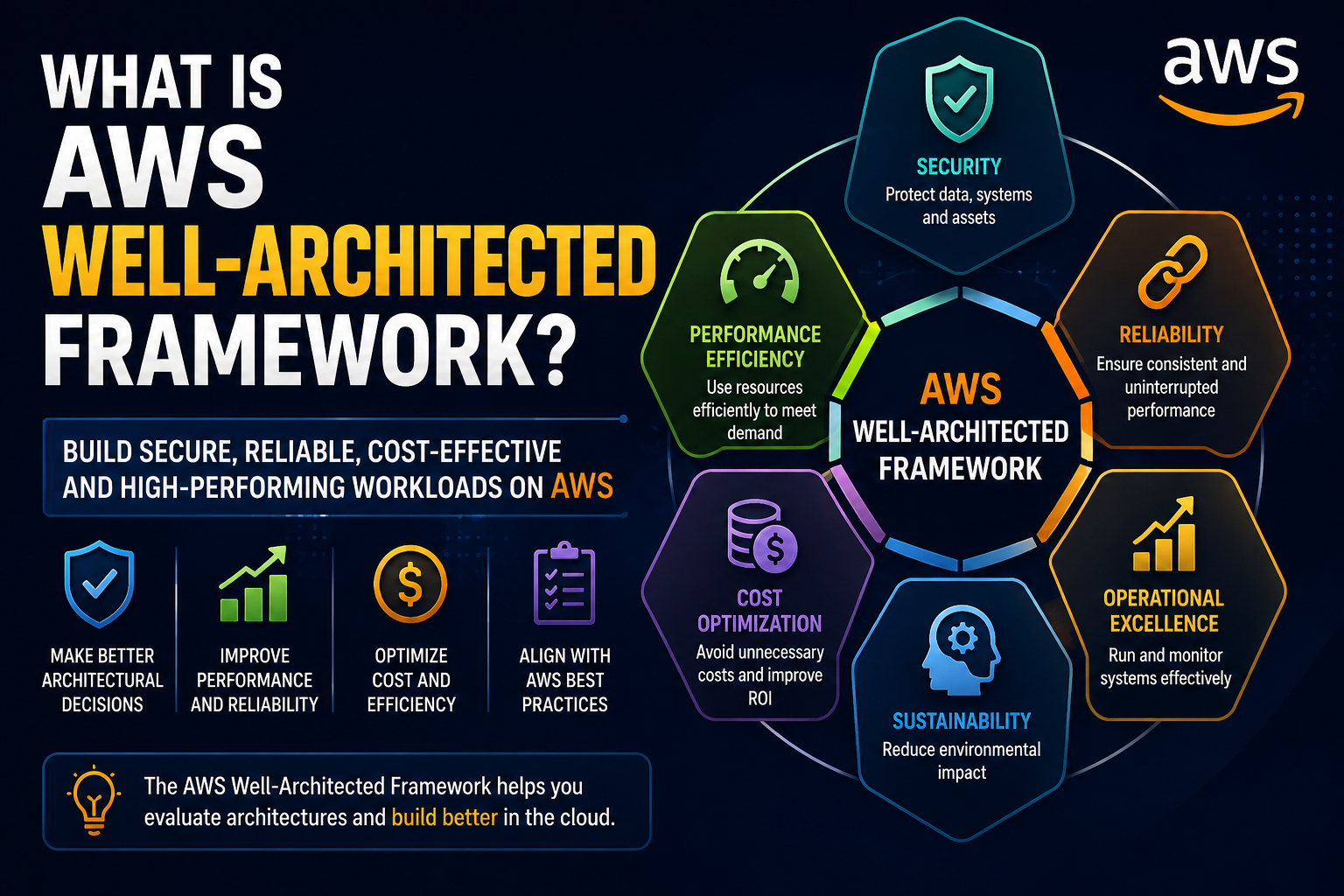
A practical guide to designing secure, reliable, efficient, and cost-effective cloud architectures. Introduction The AWS Well-Architected Framework is AWS’s blueprint for building great cloud infrastructure. It’s not just theory — it’s a structured way to evaluate your architecture, identify risks, and implement improvements based on proven best practices. The framework has 6 pillars, each addressing a…
-
How would you provide secure third-party access to a database in a public subnet?
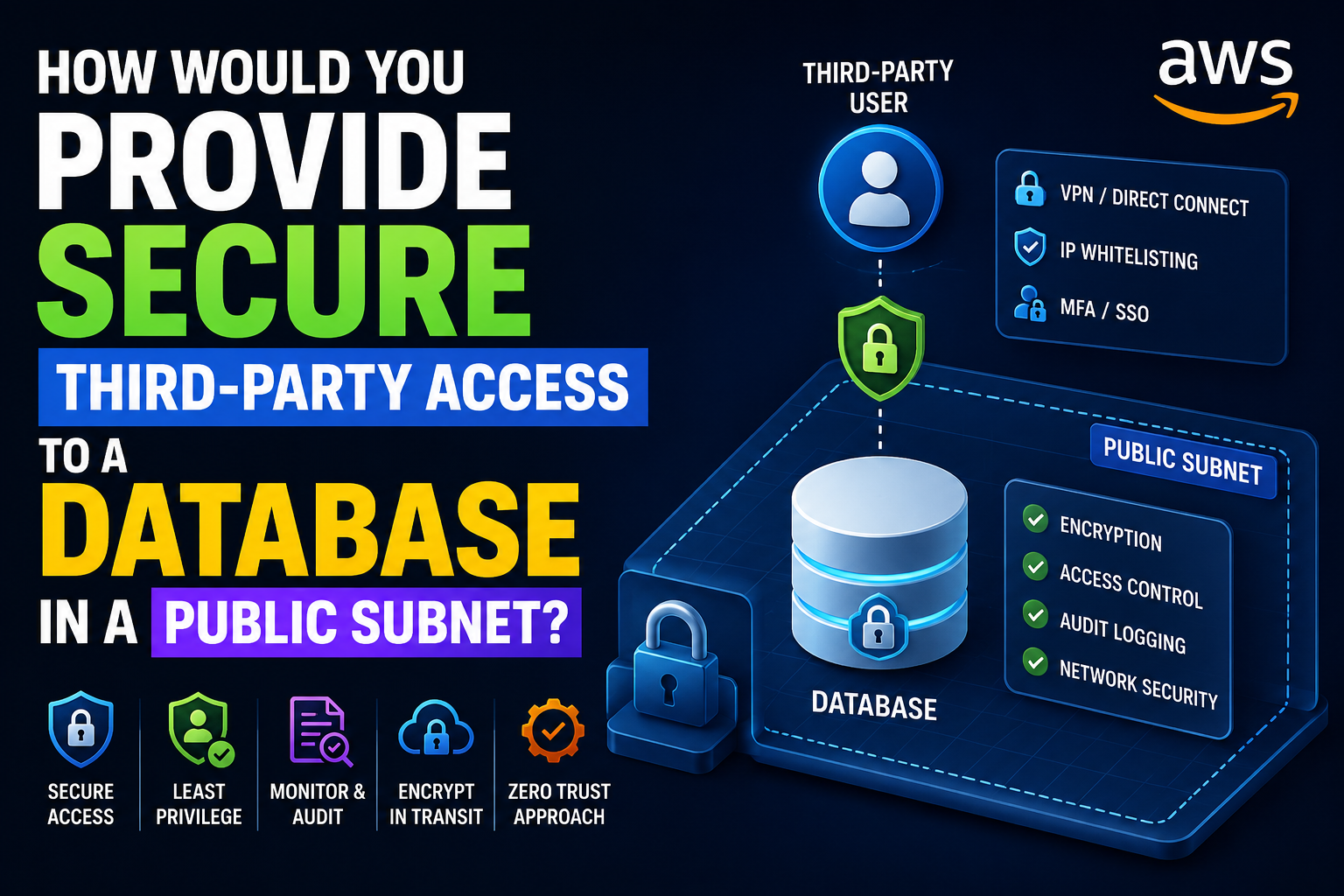
Five approaches ranked from simplest to most secure — with architecture diagrams and real-world guidance. Introduction A common scenario: your database holds data that a third-party partner needs to access — a payment processor, an analytics vendor, a B2B integration partner. The question isn’t just “how do I connect them?” but “how do I connect…
-
What Are AWS Security Best Practices Across Compute, Networking, Databases, and Storage
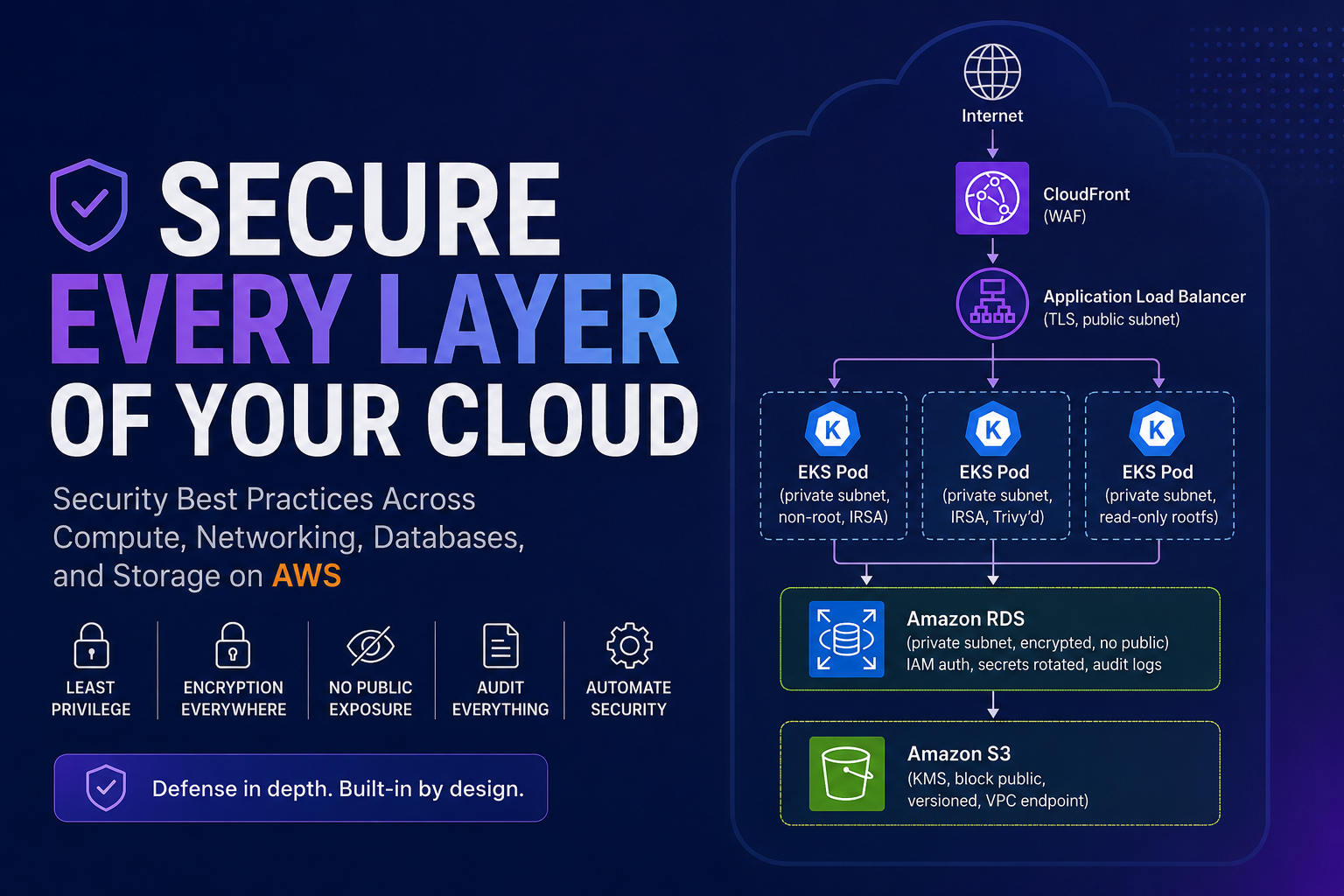
A practical guide for DevOps and Cloud Engineers preparing for interviews or securing production infrastructure. Introduction Security in the cloud isn’t a single checkbox — it’s a layered approach across every resource you manage. Whether you’re running containers on EKS, managing VPCs, operating RDS databases, or storing data in S3, the same core principles apply: least…
-
What FinOps/cost optimization solutions would you implement in cloud infrastructure?
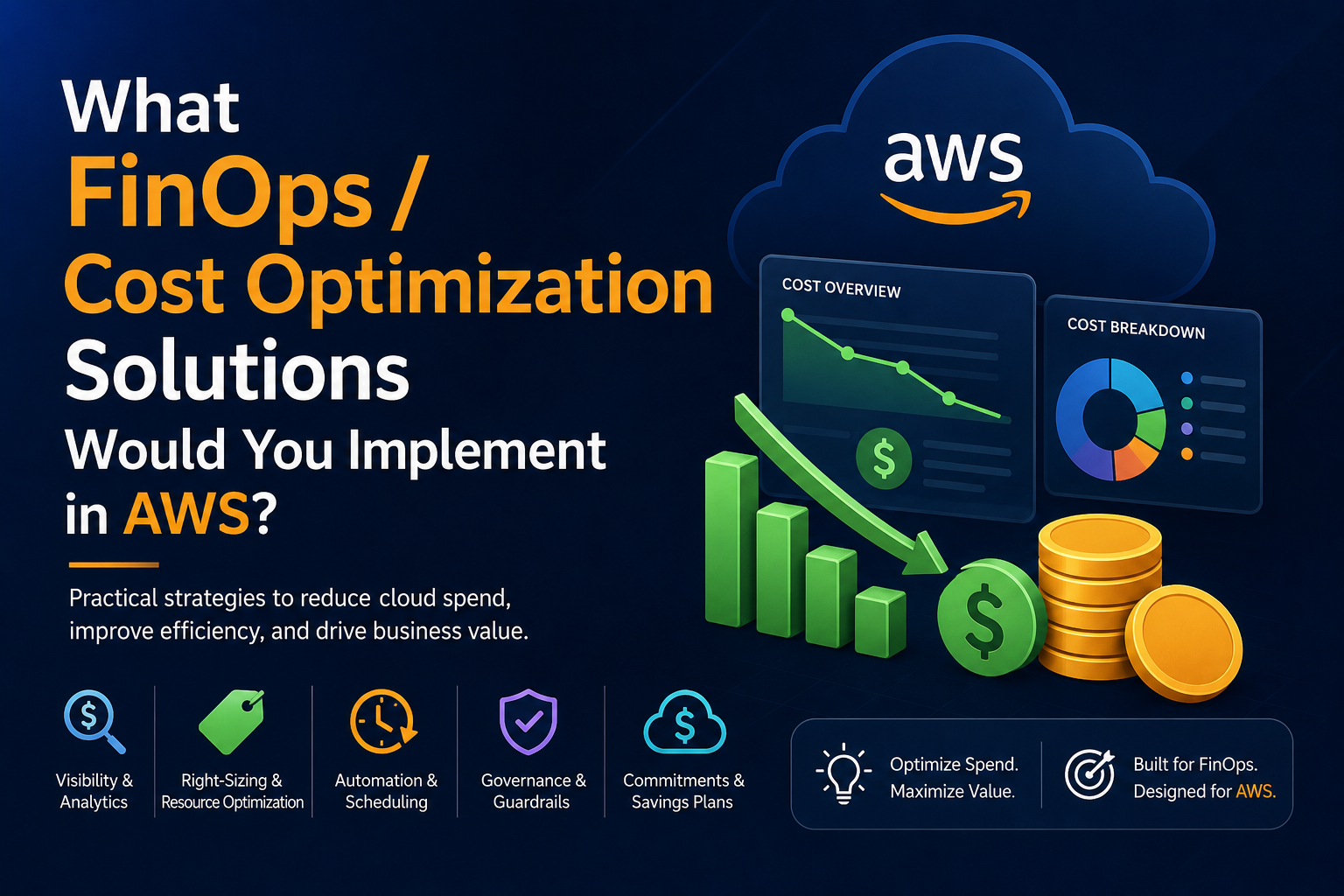
How to reduce your AWS bill by 30-60% without sacrificing performance or reliability. Introduction Cloud bills grow silently. A team provisions a large RDS instance “just in case,” dev environments run 24/7 when developers work 8 hours, and nobody notices the NAT Gateway quietly charging $0.045/GB on every outbound byte. FinOps (Financial Operations) isn’t about…